
 Francesca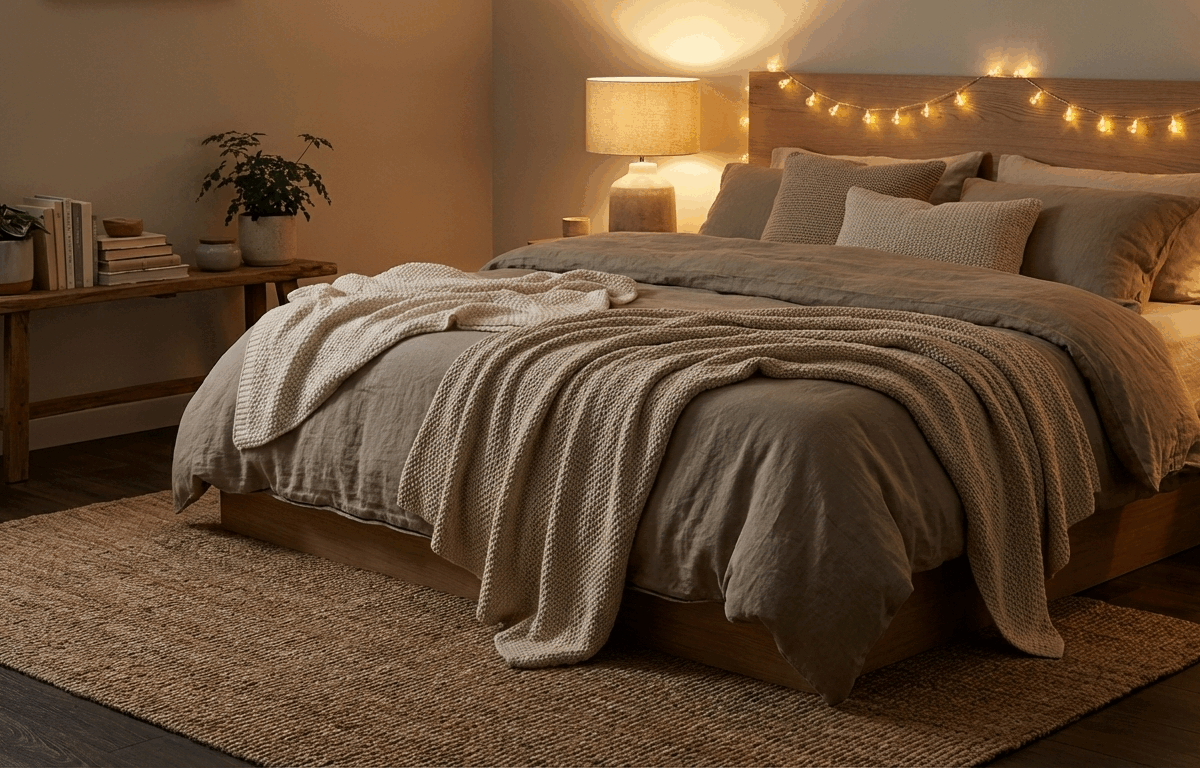
Most of us think of home as a reflection of taste or lifestyle, something shaped by budget, Pinterest boards, or the mood we were in when we signed the lease. But increasingly, research in neuroscience, psychology, and environmental design suggests something deeper is happening inside our walls. The spaces where we live quietly interact with our nervous system every single day, influencing how alert, tense, relaxed, or grounded we feel, often without us noticing.
In a world where many adults between 25 and 45 live in a near-constant state of stimulation, juggling work, notifications, relationships, and uncertainty, the nervous system rarely gets the message that it is safe to rest. We may meditate, exercise, or try to unplug at night, yet still feel wired, exhausted, or emotionally brittle. The missing link is often not another habit, but the environment in which all those habits take place.
What if your home could do some of that work for you? What if the way light enters your bedroom, the textures under your hands, or the visual noise in your living room subtly encouraged your body to slow down? This is not about luxury or minimalism for its own sake. It is about understanding how the nervous system reads space, and how to design a home that speaks a calmer language. Explore the details below and discover how small, intentional changes can reshape how you feel, day after day.
Understanding How the Nervous System Responds to Space
The nervous system is always listening
Your nervous system evolved to scan the environment for cues of safety or threat. Long before conscious thought kicks in, your body notices light intensity, sharp contrasts, clutter, noise, and movement. These signals determine whether your system leans toward sympathetic activation, the state associated with alertness and stress, or parasympathetic regulation, where digestion, repair, and emotional balance can occur.
What this means in practice is simple but profound. A room with harsh lighting, visual chaos, and constant background noise keeps your body slightly on edge, even if you tell yourself you are “relaxing.” Over time, this low-grade activation accumulates, showing up as irritability, poor sleep, tension, or that persistent feeling of never fully unwinding.
Why design matters more than we think
Design is often treated as aesthetic preference, but from a neurological perspective, it is communication. Colors, shapes, and textures send messages. Rounded edges tend to feel safer than sharp angles. Muted tones are easier for the brain to process than high-contrast palettes. Natural materials offer sensory familiarity that synthetic surfaces often lack.
When a home aligns with how the nervous system naturally seeks safety, regulation becomes less effortful. Calm is no longer something you have to manufacture. It becomes the baseline your body returns to, again and again.
Why Modern Homes Often Keep Us in Survival Mode
Visual overload as the new normal
Many contemporary interiors mirror the pace of modern life. Open tabs, open shelves, open plans. While visually striking, these spaces can overwhelm the brain, especially for people already managing cognitive load throughout the day. Every object in sight asks for a tiny bit of attention, even if you are not consciously aware of it.
Over time, this constant micro-engagement keeps the nervous system busy. The result is not dramatic stress, but a quiet inability to settle, the sense that rest never quite arrives.
Artificial light and disrupted rhythms
Lighting is one of the most underestimated factors in nervous system regulation. Bright, cool lighting late into the evening interferes with circadian rhythms and signals wakefulness to the brain. Many homes are lit for convenience rather than biology, leaving the body confused about when it is safe to power down.
A home that regulates the nervous system works with natural rhythms instead of against them, adjusting light intensity and warmth as the day unfolds.
The Core Elements of a Nervous-System-Regulating Home
Light that follows the body, not the clock
Natural light during the day supports alertness and mood. In the evening, warmer, softer lighting tells the nervous system it can release vigilance. Table lamps, wall sconces, and dimmers allow for a gradual transition that overhead lights rarely provide.
The goal is not darkness, but softness. Light should feel like an invitation, not a demand.
Color as emotional information
Color influences emotion through both cultural associations and biological response. Soft neutrals, earthy tones, and desaturated hues tend to reduce arousal. This does not mean your home must be beige. It means choosing colors that do not shout at the nervous system.
Accent colors can exist, but they work best when balanced by visual rest, areas where the eye can pause without effort.
Texture and the language of touch
The nervous system responds strongly to tactile input. Natural fibers, wood, stone, linen, wool, and ceramics offer subtle sensory grounding. These materials remind the body of stability and continuity, qualities often missing in digital life.
Even small changes, like swapping synthetic bedding for cotton or adding a textured throw, can influence how the body feels in a space.
How to Apply Neuro-Calm Design Room by Room
The bedroom as a signal of safety
The bedroom should be the clearest communicator of rest. This means minimizing visual clutter, reducing technology, and prioritizing softness. Upholstered headboards, layered textiles, and gentle lighting help the nervous system associate the space with recovery rather than stimulation.
Color choices matter deeply here. Muted blues, warm taupes, soft greens, and warm whites often support better sleep than stark contrasts.
The living area as a place to land
Living rooms often carry the emotional weight of a home. They host conversation, rest, and transition. A nervous-system-regulating living space benefits from clear zones, seating that encourages relaxation, and a visual hierarchy that prevents overload.
This is where curves, plants, and negative space work quietly but effectively, reminding the body that it does not need to stay alert.
The kitchen and the balance between energy and calm
Kitchens naturally hold more activity, but they can still support regulation. Clear counters, warm lighting, and natural materials reduce cognitive noise. Even the way items are stored, visible versus concealed, shapes how the nervous system experiences the space.
A calm kitchen does not suppress energy. It channels it with intention.
Long-Term Benefits and the Quiet Power of Consistency
Regulation compounds over time
One of the most reassuring truths about nervous system regulation is that it does not require perfection. Small, consistent signals of safety accumulate. Over weeks and months, the body begins to trust the environment. Sleep deepens. Reactivity softens. Focus improves.
This is not a dramatic transformation. It is a quiet one, noticeable mostly in hindsight.
A home that supports who you are becoming
As life evolves, so do our needs. A nervous-system-aware home is adaptable. It listens. It responds. It reflects not just who you are, but how you want to feel. In that sense, it becomes less of a backdrop and more of a partner in wellbeing.
A Home That Knows When to Be Quiet
Creating a home that regulates your nervous system is not about chasing an aesthetic or following rigid rules. It is about learning to notice how your body responds to space, and honoring those responses with care. When your home speaks a calmer language, your nervous system does not have to work so hard to protect you.
The most meaningful changes are often the simplest. A softer light in the evening. Fewer objects in view. Materials that feel good under your hands. These choices do not announce themselves, but they change how it feels to exist in your own life. And that, quietly, is everything.
Frequently Asked Questions
Can a home really affect my nervous system?
Yes. Your nervous system constantly interprets environmental cues. Light, noise, color, and layout all influence whether your body feels safe or alert, often without conscious awareness.
Do I need to redesign my entire home to see benefits?
No. Small changes, especially in lighting, clutter reduction, and texture, can have noticeable effects. Regulation improves through consistency, not scale.
Is a calming home the same as a minimalist home?
Not necessarily. A calming home is about balance and sensory clarity, not emptiness. Personal objects can remain as long as they do not overwhelm the space.
What if I live in a small or rented space?
Nervous system regulation is possible in any home. Portable lighting, textiles, scent, and organization can significantly influence how a space feels.
How long does it take to feel a difference?
Some people notice immediate relief, especially with lighting changes. Deeper regulation typically builds over weeks as the nervous system learns to trust the environment.