
 Francesca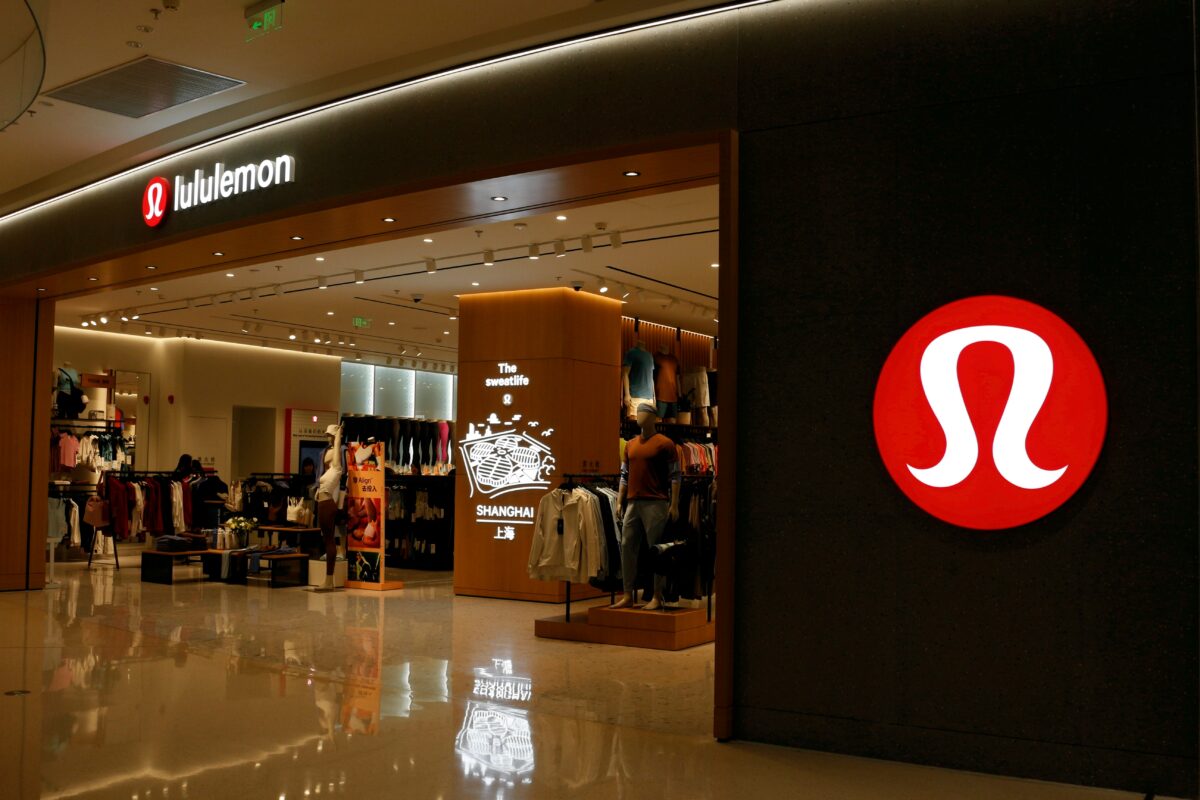
There are brands that sell clothes, and there are brands that shape culture. Lululemon belongs to the second group — and perhaps more than any other activewear name, it has rewritten what it means to get dressed for movement, for lifestyle, and even for the version of ourselves we hope to embody. In 2025, Lululemon is no longer just a label. It’s a mindset, a vocabulary, an aesthetic code that spills from the gym into coffee shops, offices, airports, and soft Saturday mornings.
But the journey to becoming that brand is longer, messier, and more fascinating than a pair of Align leggings would ever let on.
A Brand Born Inside a Studio, Not a Boardroom
Lululemon was founded in Vancouver in 1998, not as an empire but as a small design studio that doubled as a yoga space at night. That detail alone says everything about what the brand would become: clothing created in the same room where it was tested, stretched, twisted, sweat in, and lived.
The founder, Chip Wilson, envisioned something the market hadn’t figured out yet — athleticwear that didn’t feel strictly “athletic.” Something that could support movement but still look elevated and intentional. Yoga culture was growing, but nobody had nailed the uniform.
Lululemon stepped in quietly, almost experimentally, and planted a seed.
The Rise of the Legging That Became a Lifestyle
Fast forward a decade, and leggings were no longer just leggings. They became the item women reached for when they wanted to feel put together without trying too hard.
The Align Pant changed everything.
It wasn’t just soft — it was famously, shockingly soft, like wearing a second skin that understood your body better than you did. Women didn’t just love it. They evangelized it, reviewed it, collected colors, compared lengths, introduced friends, and posted mirror selfies that doubled as love letters to this new era of comfort.
And that is the secret to Lululemon’s cultural dominance: the brand doesn’t sell clothes; it sells sensations. Softness, confidence, ease, mobility, presence. It sells a version of you who breathes deeper and stands taller.
The Hits That Built the Empire
Every brand has its icons, but Lululemon’s are in a category of their own.
· Align Leggings
The soft-luxury standard. The modern woman’s uniform. A cult favorite that turned fabric into emotion.
· Scuba Hoodie
An unexpected hit that became the cozy essential of travel days, errand days, heartbroken days, and everything-in-between days.
· Wunder Train
For the woman who wants a little more support — structured, sleek, fast-drying, performance-driven.
· Belt Bag (the viral one)
A piece of functional design that somehow became a fashion moment. Equal parts practical and “I’m effortlessly cool.”
· Swiftly Tech Tops
Those tops that seem to breathe with you: comfortable enough for a morning stretch, strong enough for a marathon.
Lululemon understood early that women want options that match their rhythms — soft and slow one day, powerful and performance-driven the next.
The DNA: Why Lululemon Feels Different
What makes Lululemon so magnetic isn’t the fabric, although the fabric is undeniably dreamy. It’s the way the brand translated movement into identity.
The clothes don’t say “I work out.”
They say “I take care of myself.”
That subtle shift changed everything.
Lululemon made wellness aspirational without being exclusive. It became the unofficial uniform of a generation that cares about sleep scores, Pilates reformer classes, hot yoga, matcha mornings, meditation apps, soft aesthetics, and feeling internally aligned.
No wonder the brand is everywhere — airports, brunch tables, pilates studios, school pick-up lines. It’s not fashion; it’s modern life.
A Brand That Grows With Its Community
One of Lululemon’s quiet strengths is its community-based strategy. Long before “community building” was a marketing trend, the brand was sponsoring local yoga classes, opening studios inside stores, and making customers feel like participants, not buyers.
This approach expanded the brand beyond retail. Lululemon wasn’t just in the closet — it was in the routine, in the Sunday reset, in the new-year-intentions Pinterest boards. The clothing became part of emotional architecture.
Controversies, Challenges, and the Art of Reinvention
Every iconic brand has shadows. Lululemon faced criticism over pricing, inclusivity, and its founder’s controversial comments — issues that could have damaged the brand permanently. Instead, the company pivoted, recalibrated, and learned to speak the language of a new and more conscious consumer.
Today, the brand leads conversations about mindful performance, ethics, sustainability, and female empowerment — not perfectly, but with intention.
And that matters.
Why Lululemon Still Dominates in 2025
Because it knows its woman.
She is busy but trying to slow down.
She is strong but wants softness.
She is stylish but values comfort.
She is aspirational but craves authenticity.
Lululemon clothes meet her exactly where she is — whether that’s in a Pilates class, at a coffee shop, hopping between meetings, or simply trying to remember to breathe on a chaotic Wednesday morning.
It’s not just activewear.
It’s an ecosystem.
A language.
A feeling.
The Future: Where the Brand Is Heading
Lululemon is investing in:
· next-generation performance fabrics
· technical footwear
· global expansion
· lifestyle-meets-wellness categories
· mental health initiatives
· and a new wave of “street-to-studio” pieces
The direction is clear: Lululemon wants to own not just your workout wardrobe, but the entire spectrum of your daily life.
And honestly? It makes sense.
In the End, What Lululemon Really Sells
Presence.
Comfort.
Identity.
Soft confidence in motion.
Behind every bestselling legging and viral hoodie, there’s a brand that figured out something essential about modern womanhood: we’re all trying to find balance — between strength and softness, ambition and rest, showing up and slowing down.
Lululemon didn’t just make clothes for that woman.
It became part of her story.
Chicca Trends